


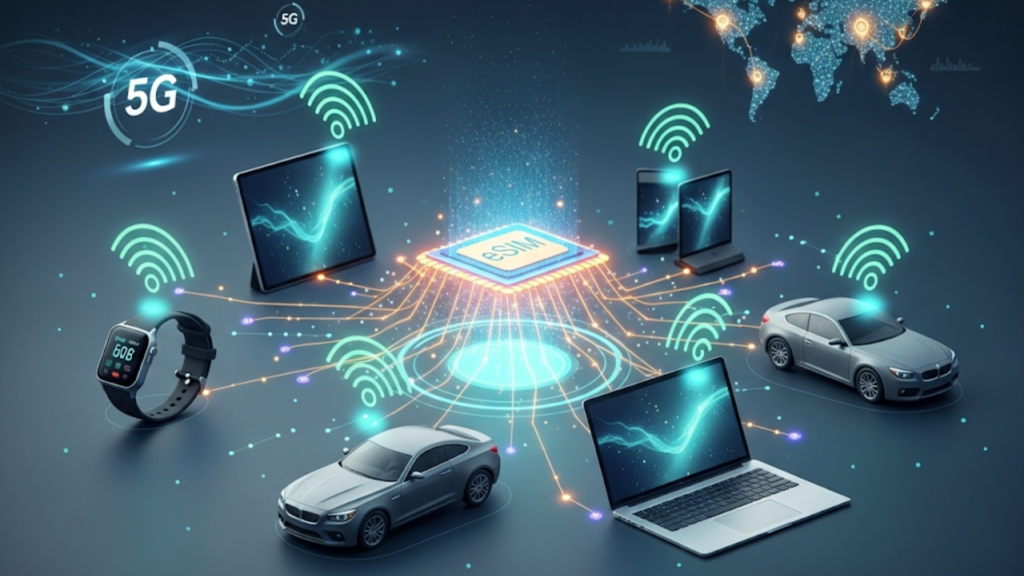
The Next Feature of Every Tech Product Is the Network Itself
In 2026, the most innovative tech brands aren’t just selling devices or software; they’re selling a complete, connected experience.
The key to this transformation is embedded connectivity.
Products that ship ready to connect, no plastic SIMs, no hunting for Wi-Fi, just “on.” Apple normalized this shift in the U.S. by making iPhone 14 and later models eSIM-only, with enterprise guidance confirming eSIM-only across iPhone 14+ and the latest iPad lines and broader eSIM-first momentum continues across the ecosystem.
This guide answers three questions senior leaders ask right now:
- What is embedded connectivity?
- Why is it a strategic imperative in 2026?
- How are leading brands already using it to win?
What Is Embedded Connectivity?
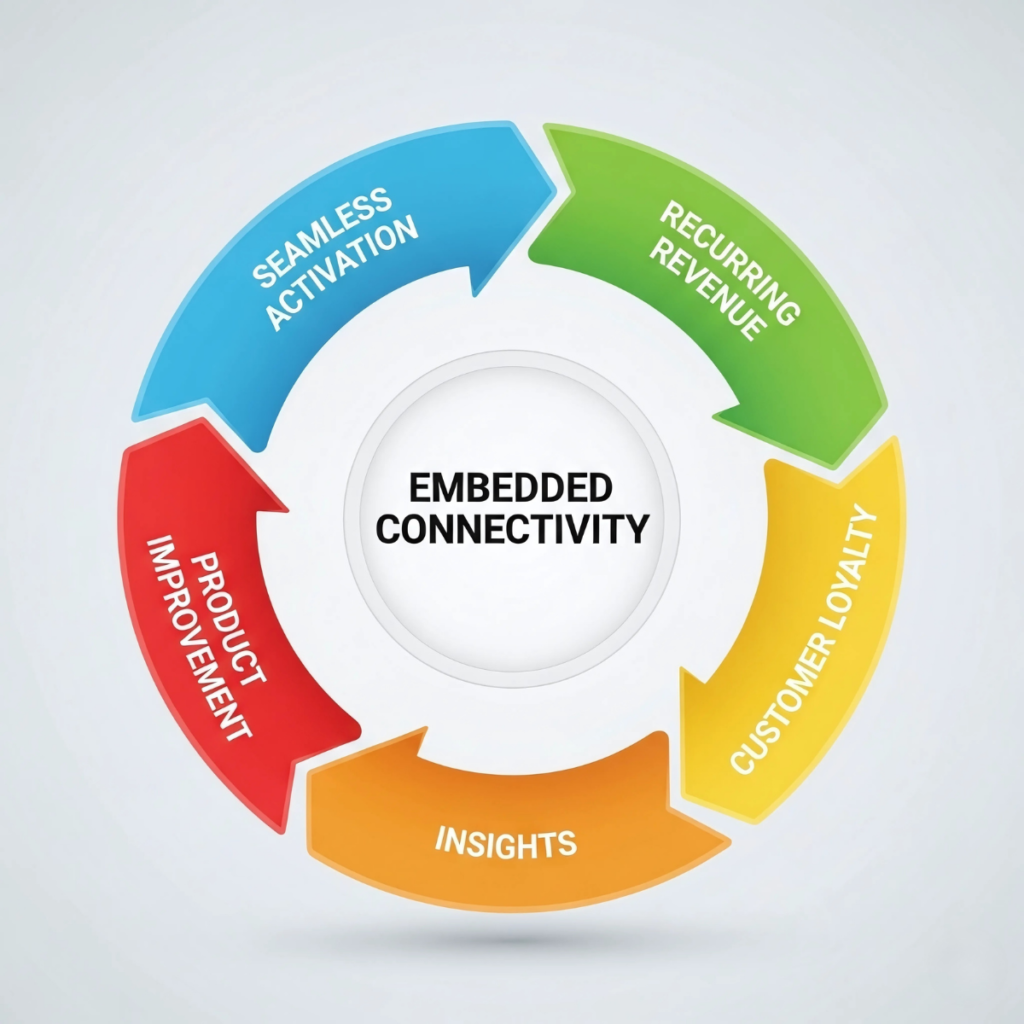
Embedded connectivity is the integration of mobile service directly into devices, apps, and platforms, so the product itself provides the connection. The enabling technology is the eSIM, a standards-based way to remotely provision mobile profiles onto devices without plastic SIM cards.
The real power isn’t the chip—it’s the control. With eSIM, non-telco brands (from neobanks and consumer electronics OEMs to auto and travel platforms) can offer branded mobile service inside their products. That means you can customize, package, and monetize connectivity: launch “connectivity as a feature,” set tiers (day passes, monthly, family), and own the ongoing customer relationship.
In simple terms, just as Stripe and Shopify enable any company to become an e-commerce brand, embedded connectivity platforms now enable any tech brand to become a mobile service brand—without having to become a carrier.
Why Embedded Connectivity Is a Strategic Imperative in 2026
1) Seamless customer experience
Consumers expect “open box → it works.” eSIM-enabled onboarding cuts friction dramatically. Apple notes that iPhone 14+ in the U.S. activates with eSIM and can be used with hundreds of carriers in 100+ markets—making instant activation realistic for mainstream users and travel scenarios.
2) New recurring revenue
Shifting from one-time hardware margins to plan-based ARPU, plus add-ons such as premium support, content, or additional data, creates an opportunity for recurring service revenue. As 5G, AI, and other digital technologies continue to expand the mobile ecosystem, connected products have more opportunities to combine hardware with ongoing digital services.
3) Loyalty and defensibility
When your product and the service that powers it come from you, churn goes down and switching costs go up. Consumers say they want better deals—35% of Americans are willing to switch carriers—but about half view switching as a hassle. If you remove that hassle at purchase, you capture the upside and blunt competitive poaching.
4) Data & insights (privacy-safe)
Owning the connectivity layer yields opt-in, aggregated usage patterns (e.g., geography, feature use, quality signals) that can steer product roadmaps and pricing—without exposing personal content.
How Leading Brands Are Winning (Embedded Connectivity Use Cases)
Fintech & Neobanks
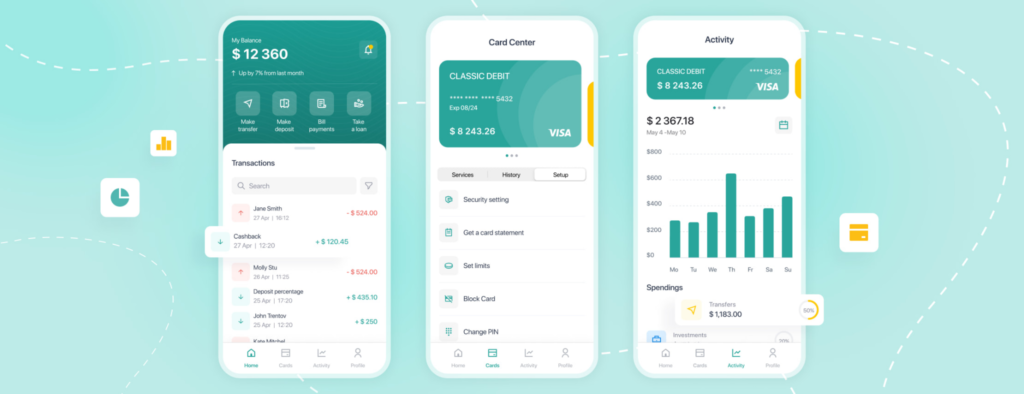
- Bundles: Pair a branded mobile plan with a credit builder card or premium checking (single bill, rewards on data spend).
- Family plans: Tie under-18 accounts to controlled data plans for household stickiness.
- Travel passes: Offer in-app roaming eSIM so users avoid fees abroad—value that used to flow to legacy telcos now accrues to your brand. (Apple documents broad international eSIM support on iPhone 14+.)
Consumer Devices (Laptops/Tablets/Wearables)
- “Always Connected” SKUs: Sell devices that connect instantly; upsell day passes (5–10GB) or monthly plans at checkout.
- User experience: Delight customers with devices that connect straight out of the box.
- Tailored plans: Enjoy long-term customer loyalty, with phone plans that suit your audience perfectly.
- Stronger connections: Drive revenue by transforming one-off purchases into recurring subscriptions.
- Example: Smartwatch makers (e.g., kid-safety watches like Angel Watch) show how integrated cellular elevates the use case beyond Bluetooth tethering (positioning, SOS, messages).
IoT and Connected Devices
For IoT manufacturers, the value of embedded connectivity increasingly comes from lifecycle management rather than activation alone. GSMA’s SGP.32 architecture is designed for remote provisioning and management of eSIMs in IoT devices, helping businesses manage connectivity across deployments where physical SIM access is difficult or impractical.
This is particularly relevant for connected products deployed across countries, locations, or large device fleets, where changing connectivity profiles remotely can simplify ongoing operations.
Automotive

- In-car hotspots & streaming: Sell Wi-Fi plans and content bundles, with pricing visible in the infotainment system.
- Safety & telemetry: Package crash alerts, roadside assistance, and diagnostics with connectivity fees.
Travel Tech & Marketplaces
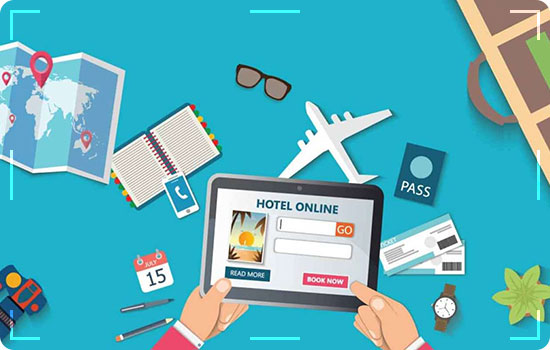
- Roaming reinvented: Offer city/day passes in-app, capture roaming margin previously lost to MNOs.
- Loyalty integration: Let users redeem points for travel eSIMs to drive repeat bookings.
- No surprise bill: Eliminate a major stress point for your users and build unprecedented platform loyalty.
- Purchase incentive: Incentivize sign ups and repeat transactions by offering free travel data to customers.
HR/IT Platforms

- Programmatic plans for teams: Provision eSIMs over email/Slack for new hires; auto-deactivate on offboarding to reduce risk and waste.
- One contract, multi-country: Centralize telco ops for distributed teams.
- Security: Protect against telecom scams by managing eSIMs programmatically.
- Easy travel: Say goodbye to roaming fees. Employees can request travel eSIMs with a click.
| Product Type | Primary Connectivity Opportunity | Key Business Goal |
Show Me the Money — The Unit Economics (Without the Telco Headache)
Where does profit come from?
- Plan markup: Wholesale data → retail plans (e.g., day pass, monthly, family, enterprise).
- Bundles & add-ons: Security, cloud backup, content, premium support.
- Service-driven LTV: Hardware + service lowers churn; service ARPU compounds.
- Lower CAC waste: Instant activation reduces drop-offs between purchase and first use.
Mini math: If your device yields a one-time gross margin of $60, a conservative $6/month plan margin turns a 24-month customer into $144 of service margin — 3× the hardware contribution, even before cross-sell.
Curious what your unit economics look like? Estimate them instantly using our free MVNO calculator
How to Get Started (Fast) — A 3-Phase Plan
Phase 1 — Pilot
- Pick one country (U.S.), one SKU, and two offers: a starter plan and a day pass.
- Soft-launch to a controlled cohort; measure activation, attach rate, and first-30-day usage.
Phase 2 — Scale
- Add multi-carrier coverage (better indoor/rural reliability), expand to a family/shared plan.
- Bundle value (warranty, content, travel passes). Experiment with pricing and data caps.
Phase 3 — Optimize
- Segment offers (pro vs. casual), add loyalty redemption for data.
- Use analytics to tune margins, detect abuse, and forecast inventory.
Take a 15-minute fit check to see if your product could ship connected — Book a 15-min free fit check.
The Challenge: You’re a Tech Brand, Not a Telco. How Do You Start?
The prospect of becoming a mobile provider can seem impossible. The old way required:
- Multi-million dollar, multi-year contract negotiations with dozens of global carriers.
- Building a complex billing and support infrastructure from scratch.
- Navigating a nightmare of global tax, privacy, and telecom regulations.
- Hiring an army of telecom experts you don’t have.
This complexity is why Spenza exists. We’ve built the “easy button” for branded connectivity.
Launch Your Own Branded Mobile Service in 7 Days with Spenza
Spenza is an operator-neutral connectivity enablement platform built for innovative OEMs and brands. We abstract away the complexity so you can focus on your product and your customers.
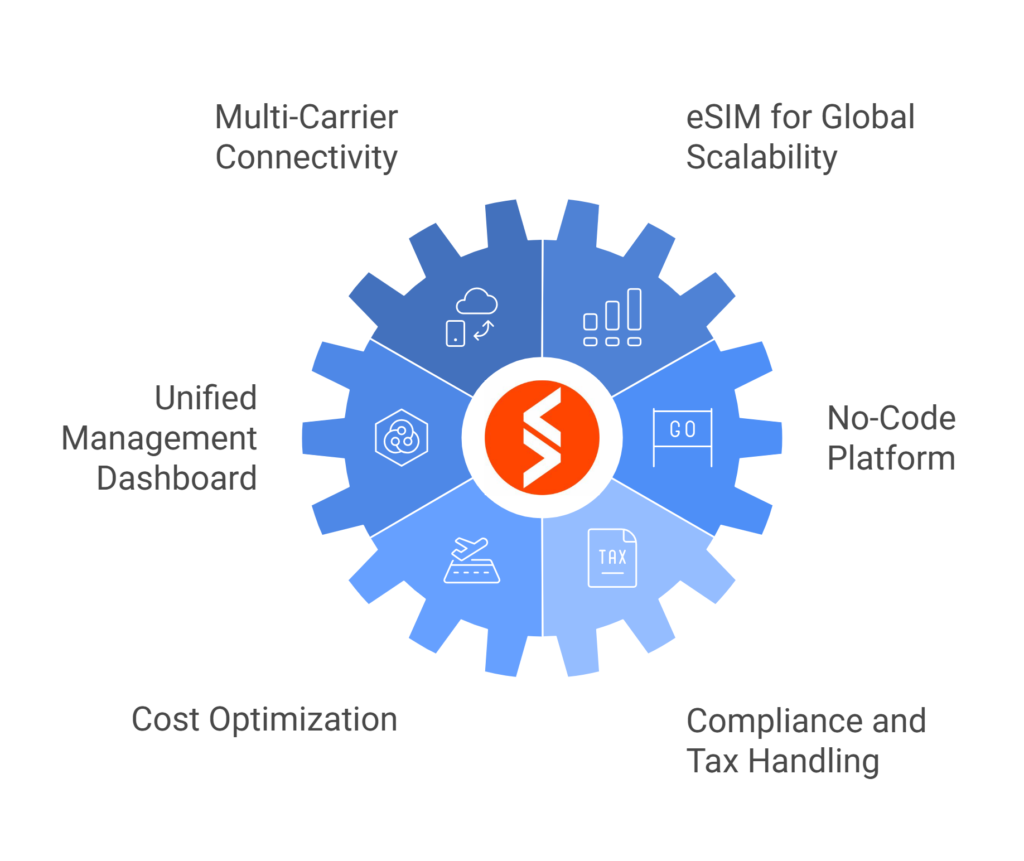
- Instant Access to a Global, Multi-Carrier Network: Use your existing carrier contracts or tap into Spenza’s curated marketplace of mobile plans from top-tier operators. Add new countries and networks in days, not years.
- A No-Code Platform Built for OEMs and Brands: Use Spenza’s pre-integrated Shopify app and no-code tools to design, market, and sell your own mobile plans through a branded online store. No engineers are needed to launch.
- Managed Compliance, Billing, and Support So You Can Scale Safely: We handle the “boring stuff.” Spenza manages complex carrier billing, tax remittance, and regulatory compliance, protecting you from risk and allowing you to scale globally without needing a local team in every country.
Key Takeaways
- Embedded connectivity is a strategic lever, not just a feature.
- eSIM and 5G make branded mobile experiences viable at scale.
- Tech brands are already using this to unlock new revenue, loyalty, and insights.
- Platforms like Spenza make this transformation easy and fast.
Conclusion — Don’t Just Ship Products. Build Connected Ecosystems.
In today’s hyper-connected world, embedded connectivity is no longer optional—it’s foundational. It redefines how products deliver value, turning one-time transactions into ongoing relationships and insights into innovation.
As eSIM and 5G technologies become ubiquitous, the brands that move fastest will gain the greatest advantage. Those who embed connectivity not just into their products, but into their business models, will lead the next era—owning the customer experience end to end, and building resilient, revenue-generating platforms that scale.
The future isn’t just connected—it’s embedded.
FAQs
Ready to turn connectivity into your next product feature? Talk to Spenza about launching your branded mobile service.


