


Introduction to Rent Tier-1 USA DIDs for Enterprise Use
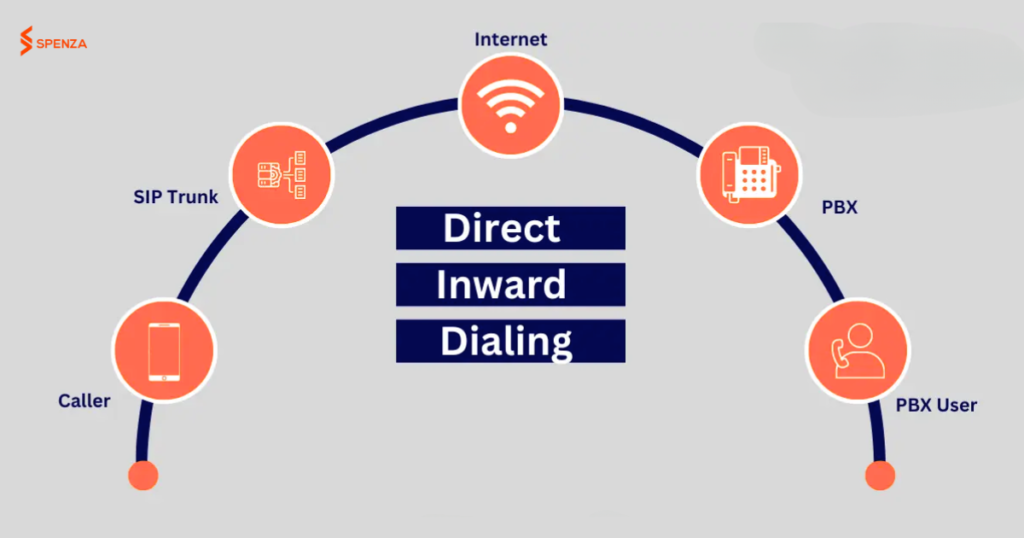
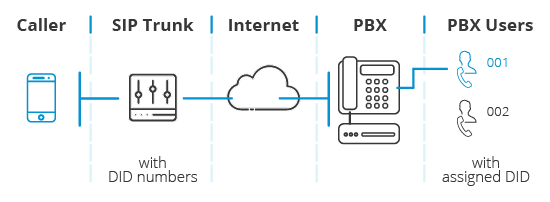
In today’s connected world, the humble phone number has evolved into a critical business asset. For enterprises, Direct Inward Dialing (DID) numbers are the backbone of everything from global sales and marketing to application development and IoT security.
But accessing and managing high-quality, Tier-1 USA DIDs at scale presents a significant challenge.
How can you ensure your phone numbers are trusted, reliable, and perfectly suited for your specific application? How do you de-risk a long-term commitment and find a partner who can scale with your needs?
This guide provides the answers. We’ll explore the strategic enterprise use cases for DIDs, compare the core technologies, and provide a clear framework for procurement.
Most importantly, we’ll show you how to find a flexible partner for long-term DID provisioning that can power any strategy, from internal operations to a full-scale wholesale business.
What is a Tier-1 USA DID?
A Tier-1 USA DID (Direct Inward Dialing number) is a phone number issued through Tier-1 U.S. mobile network infrastructure that enables enterprises to receive voice calls and SMS while maintaining high reliability, regulatory compliance, and broad acceptance for authentication services such as OTP and 2FA. Businesses use Tier-1 DIDs for customer communications, application testing, IoT deployments, and enterprise voice solutions.
What Will You Gain from This Article?
- A clear understanding of the critical differences between SIM-based and VoIP DIDs.
- Insight into how enterprises use DIDs for QA testing, IoT, global workforce enablement, and more.
- A practical, step-by-step framework for renting enterprise-grade DIDs the right way.
- An introduction to unified platforms that can simplify your entire DID procurement strategy.
The Spectrum of Enterprise DID Use Cases
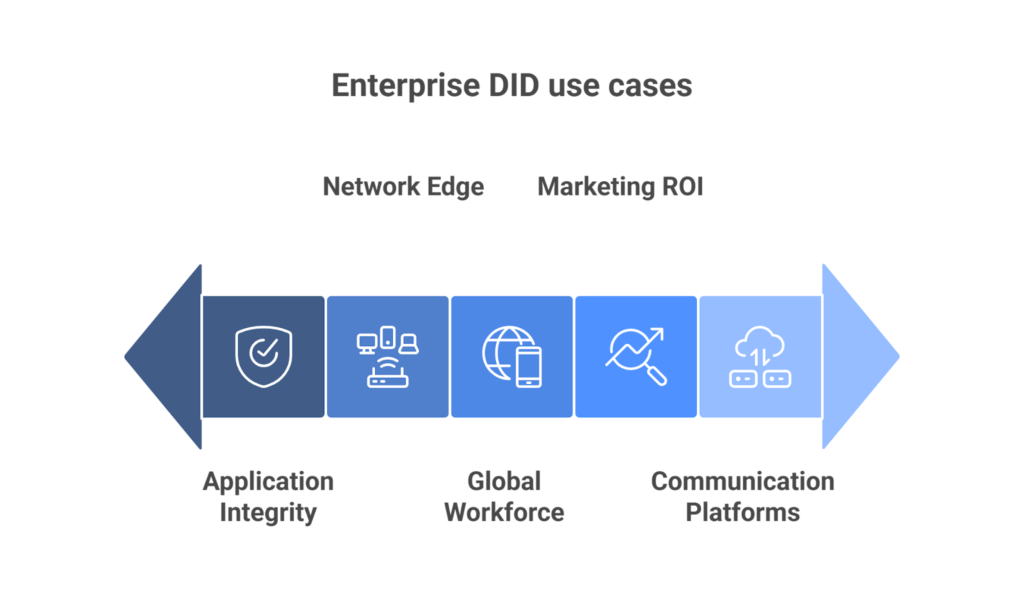
Enterprises leverage dedicated DIDs for IoT and enterprise applications in a variety of ways to create significant business value. These use cases generally fall into two categories: improving internal operations and powering business growth.
For Internal Operations:
- Empowering a Global Workforce: Enterprises can provide employees with local, SIM-based numbers in the countries they operate in. A UK-based executive can use a US DID on the same device, presenting a local presence to American clients and ensuring high-quality, secure connections for UCaaS platforms like Microsoft Teams or Zoom.
- Ensuring Application Integrity: Development and QA teams require a pool of high-assurance, SMS-enabled Tier-1 DIDs for testing. These numbers are essential for validating workflows that rely on One-Time Passwords (OTPs) or two-factor authentication (2FA), as they are treated as real mobile numbers by verification systems.
- Securing the Network Edge: For the Internet of Things (IoT) and Machine-to-Machine (M2M) deployments—from smart meters to retail Point-of-Sale (POS) systems—SIM-based DIDs with voice + SMS provide a far more secure and reliable connection than public Wi-Fi.
For Business Growth:
- Measuring Marketing ROI: Call tracking is a powerful application where a unique DID is assigned to each marketing campaign (e.g., a specific Google Ad or a direct mail postcard). This allows businesses to accurately attribute inbound calls to the source, measuring the true ROI of their marketing spend and optimizing future budgets.
- Powering Communication Platforms (The Wholesale Model): This is a foundational use case. Innovative SaaS companies—including UCaaS providers, contact center solutions, and virtual phone number apps like Twilio—need a reliable source of wholesale SIM-based DIDs for business. They rent these numbers in bulk to power their own platforms and serve their end customers, turning connectivity into a core part of their product offering.
Choosing Your Technology: SIM-based vs. VoIP DIDs
When it comes to DIDs, it’s not about which technology is “better,” but which is “right for the job.” The two primary delivery methods, SIM-based and Voice over IP (VoIP), have distinct characteristics.
SIM-based DIDs are tied to a physical or embedded SIM card and operate over carrier-grade cellular networks (like AT&T or Verizon). Voice calls are transmitted over the carrier’s dedicated voice network, ensuring high quality and reliability.
VoIP DIDs are virtual numbers that transmit calls as data packets over the public internet, offering great flexibility and cost savings.
The choice depends entirely on your use case. Here’s a breakdown of the key differences:
| Attribute | SIM-based DID | VoIP DID |
|---|---|---|
| Underlying Network | Cellular Network (LTE, 5G) | Public Internet / IP Network |
| Call Quality | High / Carrier-Grade | Variable / Dependent on Internet Connection |
| Reliability | High; less prone to drops from network congestion | Variable; susceptible to internet outages |
| Verification Compatibility | High; generally accepted by all services for 2FA/OTP | Low; often blocked by high-security services |
| Primary Enterprise Use Case | High-assurance verification, mission-critical voice, IoT connectivity | UCaaS, cloud PBX systems, cost-sensitive international calling |
For large-scale SIM-based projects, eSIM technology is a game-changer. An embedded SIM is a programmable chip built into a device, allowing carrier profiles to be downloaded and activated remotely (“over-the-air”).
This eliminates the massive logistical challenge of shipping and swapping physical SIM cards, enabling instant, at-scale provisioning for a global workforce or a fleet of IoT devices.
| If your enterprise needs… | Choose |
|---|---|
| OTP & 2FA verification | SIM-based DID |
| IoT or M2M connectivity | SIM-based DID |
| UCaaS or Cloud PBX | VoIP DID |
| Lowest calling cost | VoIP DID |
| Highest reliability | SIM-based DID |
| Global workforce enablement | SIM-based DID |
The “Preview” Paradigm: How to Validate Your Choice
In the world of enterprise telecom, “previewable” doesn’t mean seeing a list of phone numbers in advance. The concept of
previewable DIDs for enterprise use is far more strategic: it’s the ability to comprehensively test and validate the end-to-end service before committing to a long-term, large-scale rental agreement.
An effective “preview” allows your technical teams to:
- Make API calls to provision, configure, and manage numbers in a sandbox environment.
- Assess real-world voice quality and SMS deliverability.
- Confirm the numbers pass verification checks for critical third-party services.
- Ensure the service integrates smoothly with your existing systems and applications.
This “try-before-you-buy” approach is a critical step in mitigating financial, contractual, and technical risks, transforming DID procurement from a leap of faith into a data-driven decision.
The Blueprint for Enterprise DID Procurement
Navigating the market for a DID marketplace for enterprise requires a structured approach. A disciplined procurement process ensures the solution aligns perfectly with your business objectives.
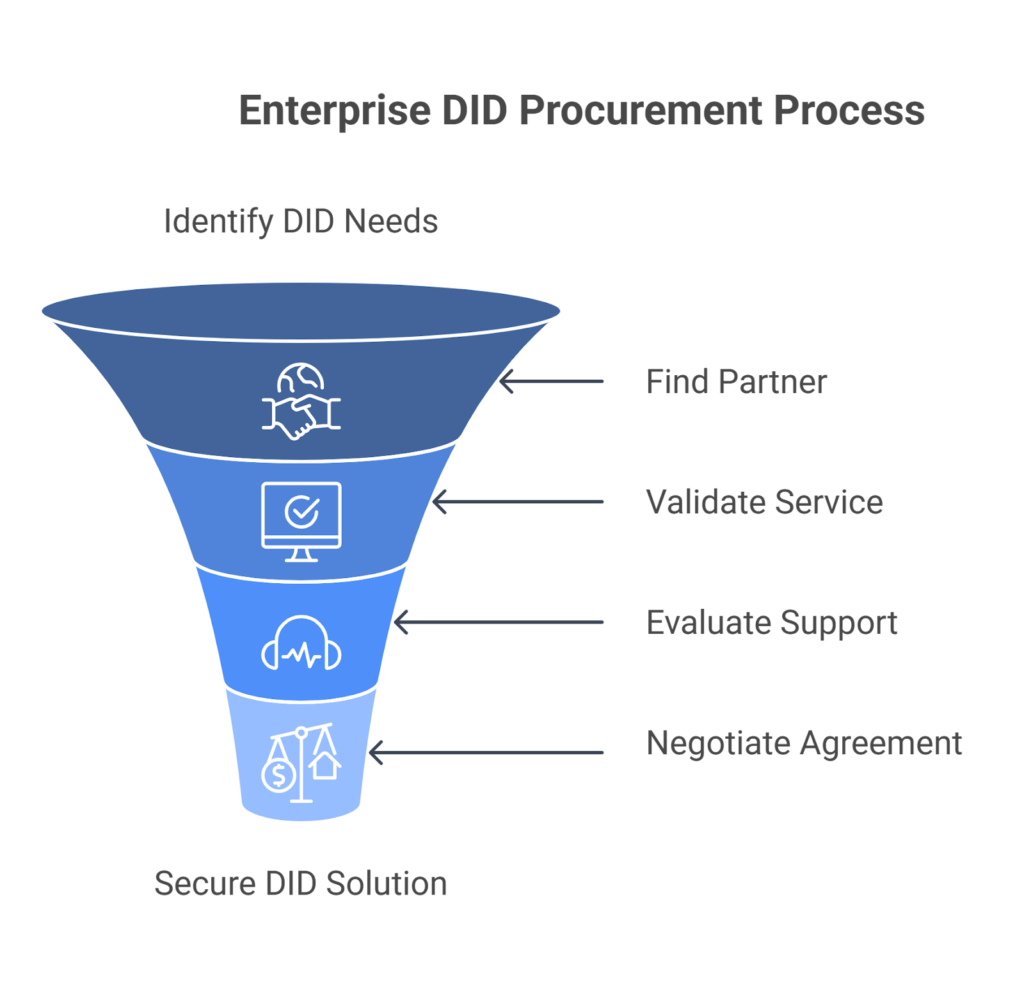
Step 1: Find the Right Partner
Enterprises rarely purchase DIDs directly from Tier-1 carriers like AT&T or Verizon. Instead, they partner with global connectivity platforms or wholesale DID aggregators.
These platforms build value-added services on top of the carrier networks, providing the powerful APIs, management portals, and flexible contracts that enterprises need.
Step 2: Validate with Hands-On Testing
This is the most critical phase. Request trial accounts, test kits, or API sandbox access from shortlisted vendors. Task your technical teams with clear validation objectives to confirm the service meets your requirements in a real-world setting.
Step 3: Evaluate Support and SLAs
Use the trial period to test the provider’s support channels. A provider who is unresponsive during a sales trial is unlikely to be a reliable partner during a service outage.
Scrutinize the Service Level Agreements (SLAs) for guarantees on uptime and support response times.
Step 4: Negotiate a Scalable Agreement
Once a provider is selected, negotiate a master services agreement that provides a clear and flexible framework for future growth, including tiered pricing for higher volumes and a predictable cost structure.
Spenza: The Unified Platform for Every DID Strategy
The central challenge for enterprises is finding a single partner who can bridge the gaps in the market and deliver a truly unified solution. Spenza is a modern connectivity platform designed to be that partner, providing the foundation for any enterprise or reseller DID strategy.
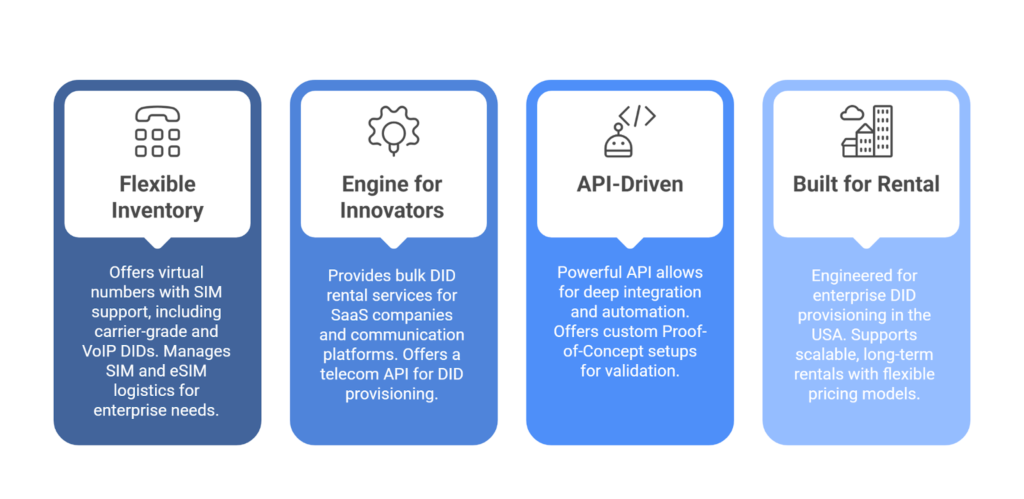
1. A Flexible, Full-Service Inventory
Spenza is not locked into a single technology. We offer a full spectrum of USA virtual numbers with SIM support, including both carrier-grade SIM-based DIDs for high-assurance use cases and high-quality VoIP DIDs for flexible, cost-effective communication. For SIM-based solutions, we manage the logistics of sending SIMs and eSIMs that can be activated on demand. These services are built for enterprise needs, ensuring your numbers remain stable and non-expiring for the life of your project.
2. The Engine for Innovators
Spenza provides robust, bulk DID rental services for SaaS companies and communication platforms. Our telecom API for DID provisioning allows innovators to build their products on our reliable foundation, with the wholesale pricing and scalable infrastructure needed to power their growth.
3. API-Driven and Previewable
We understand that the API is the core product. Our powerful and well-documented API allows for deep integration and automation, giving you complete lifecycle control over your DID inventory. You can programmatically provision, configure, and even change phone numbers using our APIs, all on demand. We go beyond standard trials by offering custom Proof-of-Concept (PoC) setups, allowing you to fully validate our solution against your unique technical requirements before commitment.
4. Built for Bulk and Long-Term Rental
Spenza’s platform is engineered for enterprise DID provisioning in the USA. Whether you need to rent DIDs with SIM support USA for an internal project or secure a wholesale agreement for a commercial product, our platform supports scalable, long-term rentals. We offer a variety of flexible and transparent pricing models, including simple pay-as-you-go plans for usage-based costs and comprehensive bundle plans for voice and SMS, ensuring you have a commercial model that aligns perfectly with your budget and growth.
Conclusion
Renting Tier-1 USA DIDs is a long-term infrastructure decision rather than simply purchasing phone numbers. Selecting the right combination of SIM-based or VoIP DIDs, validating the service through testing, and partnering with a scalable provider enables enterprises to build reliable communications, improve security, simplify operations, and support future business growth.
FAQs
Looking for access to previewable Tier-1 USA SIM-based DIDs with long-term rental capabilities for your enterprise? Contact Spenza today for the complete solution.


