


Table of Contents
- Introduction
- The Traditional Telecom Distribution Model
- Key Challenges
- Impact on Different Industries
- How White-Labeling Is Transforming Telecom Distribution
- Turnkey Connectivity
- Multi-Network Access
- Scalability & Flexibility
- Billing & Cost Control
- Profit Margins for MSPs & Resellers
- Case Study: Propane Gas Tank Monitoring
- Future of Telecom Distribution
- White-Label Benefits
- Industry Trends
- Conclusion
- FAQs
Introduction
Telecom distribution is undergoing a fundamental transformation. Traditionally, enterprises, resellers, and Managed Service Providers (MSPs) had to navigate complex relationships with multiple network operators. This meant dealing with different contracts, pricing structures, and inconsistent coverage, all of which added unnecessary friction to telecom management.
Today, white-label telecom solutions are streamlining connectivity distribution, making it easier for businesses to offer global telecom services under their brand—without having to manage telecom infrastructure.
With white-label platforms like Spenza, businesses can:
- Expand telecom services globally without handling multiple carrier agreements.
- Offer seamless, multi-network connectivity through eSIM and cloud-based solutions.
- Improve operational efficiency by integrating telecom services into existing business models.
- Unlock new revenue streams by reselling or bundling connectivity services.

Industries that rely on reliable, scalable, and flexible connectivity—such as manufacturing, logistics, and fleet management—stand to gain the most from this new distribution model.
In this blog, we’ll explore:
- How white-labeling is transforming telecom distribution.
- Why enterprises and MSPs are shifting to white-label connectivity.
- A real-world example of how white-label telecom improves operational efficiency.
- The future of telecom distribution with white-labeling.
The Traditional Telecom Distribution Model: Too Many Moving Parts
Historically, enterprises requiring telecom services had to work with multiple Mobile Network Operators (MNOs), sometimes as many as 25 different providers, to ensure reliable global connectivity. While this approach provided access to various networks, it also introduced significant complexity and inefficiencies.
Key Challenges of the Traditional Model:
1. Contract Complexity—Each MNO had its own pricing structures, service agreements, and contract terms, making it difficult for enterprises to manage multiple relationships.
2. Limited Flexibility—Businesses had minimal control over service customization, making it hard to tailor offerings for specific customer needs.
3. Scalability Issues—Expanding into new regions often meant renegotiating contracts or forming new agreements, delaying deployment.
4. Operational Inefficiencies – Managing multiple vendors, separate billing systems, and different SLAs increased costs and required dedicated teams to oversee telecom operations.
5. Coverage Gaps—Since each MNO had its own geographic strengths and weaknesses, ensuring consistent global connectivity was a challenge.
For industries where real-time data, automated tracking, and seamless connectivity are critical—such as propane gas distribution, fleet management, and industrial automation—this fragmented approach was unsustainable.
How White-Labeling Is Transforming Telecom Distribution
White-label telecom solutions eliminate many of the inefficiencies associated with traditional distribution. Instead of managing multiple telecom providers, enterprises, MSPs, and resellers can leverage a single white-label platform to deliver connectivity services effortlessly.
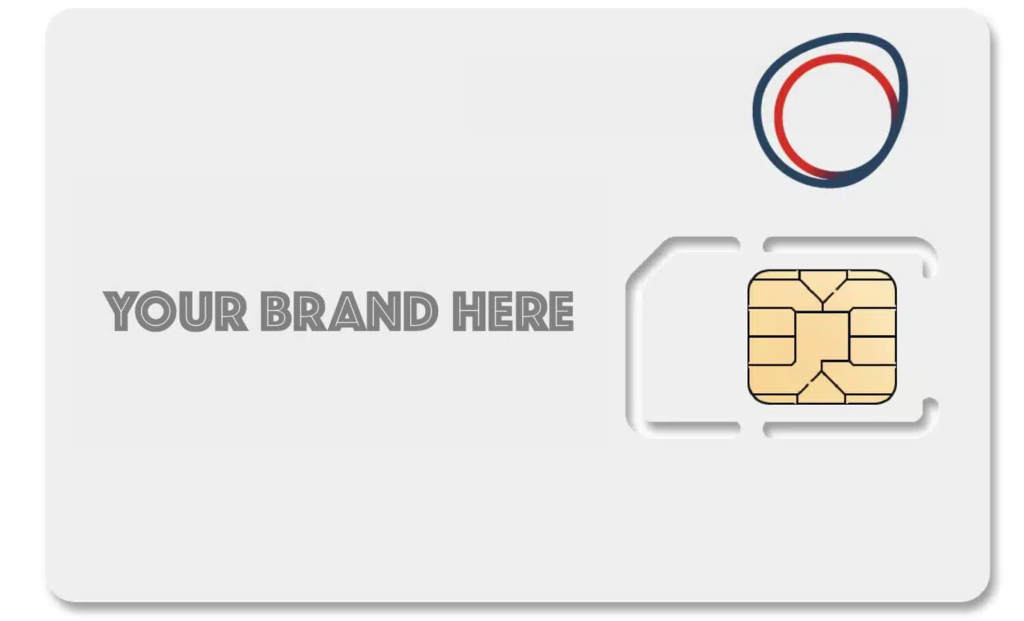
Key Benefits of White-Label Telecom Distribution:
1.Turnkey Connectivity
With white-label solutions, businesses no longer need direct agreements with MNOs. Instead, they instantly gain access to a global network infrastructure under their own brand. This is particularly valuable for MSPs, resellers, and enterprises that want to offer telecom services without building their own network infrastructure.
2. Seamless Multi-Network Access
Enterprises can provide carrier-agnostic, eSIM-enabled connectivity, ensuring that devices remain connected across multiple networks. This is essential for industries like logistics, industrial IoT, and transportation, where consistent coverage is non-negotiable.
3. Scalability & Flexibility
Industries like propane gas distribution, fleet tracking, and smart manufacturing require connectivity that can scale. White-label platforms allow businesses to bundle connectivity into their existing services, making it easier to expand into new markets without technical hurdles.
4. Effortless Billing & Cost Control
Managing multiple telecom providers often leads to billing complexities and unpredictable costs. White-label solutions like Spenza provide:
- Centralized billing & invoicing: Businesses receive a single invoice instead of managing multiple contracts.
- Real-time usage tracking: Companies can monitor connectivity usage and optimize costs.
- Customizable pricing models: Enterprises can tailor plans to their specific needs.
- Automated cost management tools: Billing is simplified, reducing the risk of errors and inefficiencies. This ensures that enterprises maintain full control over their telecom expenses while delivering a seamless experience to customers.
5. Higher Profit Margins for MSPs & Resellers
By leveraging a white-label solution, MSPs and resellers can:
- Upsell connectivity plans to their existing customers.
- Bundle telecom services with their hardware/software offerings.
- Capture new revenue streams without investing in telecom infrastructure.
This makes white-labeling an attractive business model for those looking to expand their service portfolio.
White-Labeling in Action: Propane Gas Tank Monitoring
Challenge:
A propane gas distribution company struggled with monitoring tank levels in real-time. Their existing solution relied on manual inspections, leading to:
- Operational inefficiencies: Manual checks resulted in delayed refills and supply chain disruptions.
- Inaccurate data: Without real-time monitoring, the company couldn’t optimize refueling schedules, leading to excessive fuel costs.
- Network inconsistencies: Since propane tanks were deployed across urban and remote locations, cellular coverage varied, affecting data transmission reliability.
Solution:
By implementing Spenza’s white-label connectivity, the company was able to:
- Embed eSIM-powered connectivity into propane tanks, enabling real-time remote monitoring.
- Ensure seamless multi-network access, preventing network failures in remote areas.
- Optimize refill schedules, reducing fuel waste and unnecessary operational costs.
- Automate telecom management, eliminating the need to work with multiple MNOs.
Impact:
- 30% reduction in operational costs due to improved refill efficiency.
- Zero downtime in data transmission, ensuring accurate, real-time tracking.
- Enhanced scalability, allowing the company to expand its services seamlessly.
By switching to a white-label connectivity solution, the company streamlined its operations, cut costs, and improved overall efficiency—without having to deal with the complexities of telecom management.
The Future of Telecom Distribution with White-Labeling
White-labeling is not just a cost-cutting strategy—it’s a scalable solution that enables businesses to take control of their telecom operations. As industries embrace IoT, automation, and AI-driven analytics, seamless, always-on connectivity will become even more critical.
Why White-Label Connectivity Is the Future:
- Faster Deployment – No need for lengthy negotiations with MNOs; businesses can deploy connectivity instantly.
- Improved Efficiency – Enterprises can automate connectivity, reducing downtime and streamlining operations.
- Global Scalability – With multi-network support, businesses can expand into new markets effortlessly.
- Simplified Management – Platforms like Spenza provide automated billing, usage tracking, and network switching, reducing operational complexity.
Conclusion: Future-Proof Your Operations with White-Label Connectivity
The telecom distribution model is evolving, and white-label solutions are at the forefront of this transformation. Whether you’re in propane gas distribution, manufacturing, or fleet management, leveraging a white-label connectivity platform like Spenza allows you to:
- Automate telecom management and reduce complexity.
- Expand connectivity without dealing with multiple MNOs.
- Streamline operations and optimize costs.
- Ensure always-on, seamless connectivity.
Ready to take control of your telecom strategy? Contact Spenza today to learn how white-label connectivity can transform your business operations!
FAQs


